A Love Letter to the Ampersand
To the one character I would draw for free, and frequently have
Dear &,
You began as somebody in a hurry. Two letters, e and t, the Latin word for “and,” written so quickly by so many Roman hands that they started holding on to each other. The examples people like to point to are scratched into walls at Pompeii, and since that city was buried in the year 79, we can say you were already out and about long before anyone thought to draw you carefully.
I have been a type designer for twenty years, and I draw you last. Every typeface goes in the same order: the lowercase first, because that’s where the personality and the suffering are, then the capitals, the numerals, the punctuation, the accents. Then, when I have earned it, you. The g takes me weeks and resents me for it. You take an afternoon, and I would do it for free, which, given how some of my invoices have gone, I often have.
Most letters have a skeleton they must answer to. An a that loses track of its bowl stops being an a. You got out of that arrangement centuries ago. Nobody reading a sentence has ever checked your parts against a diagram. You are recognized the way a friend is recognized across a train station, by the walk. That freedom is why you have so many bodies, and why I keep a drawer of them.
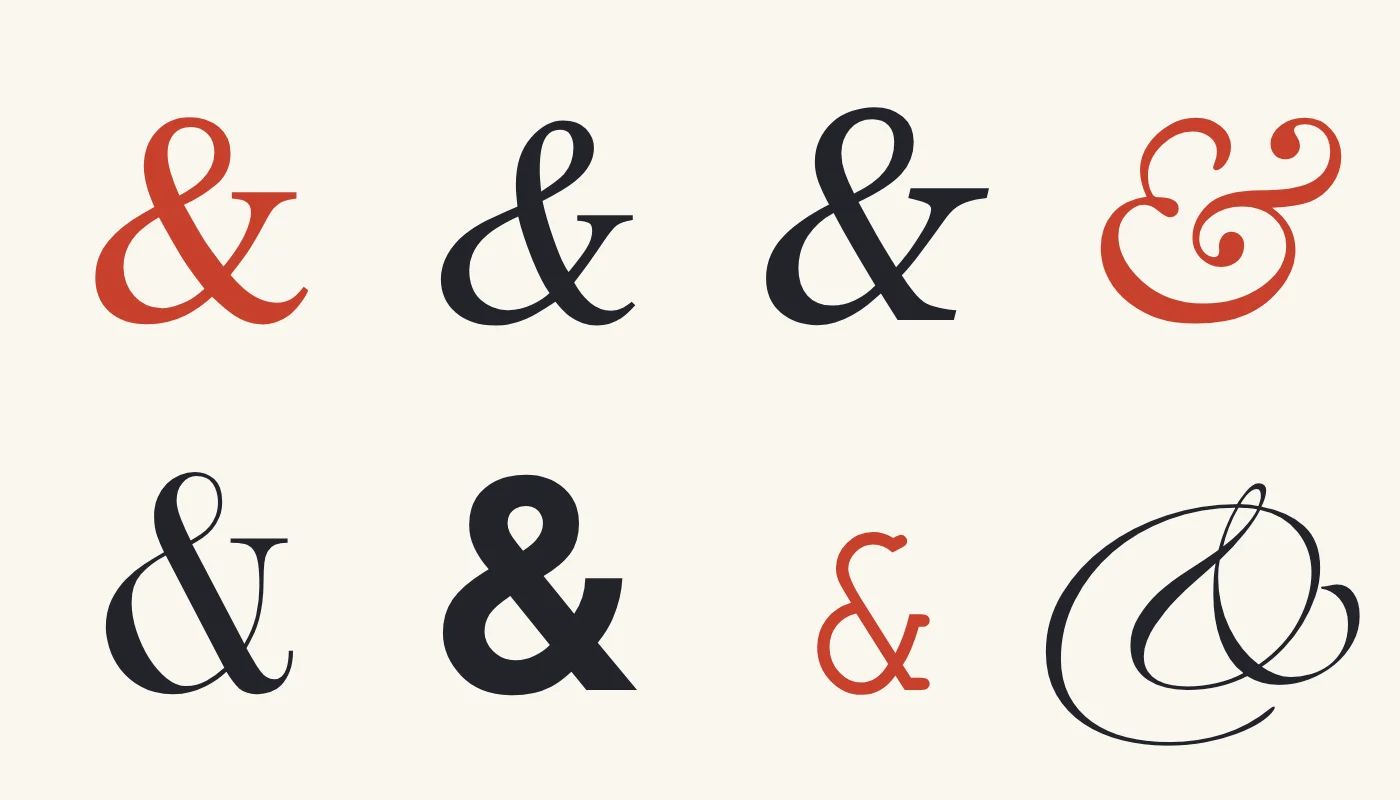
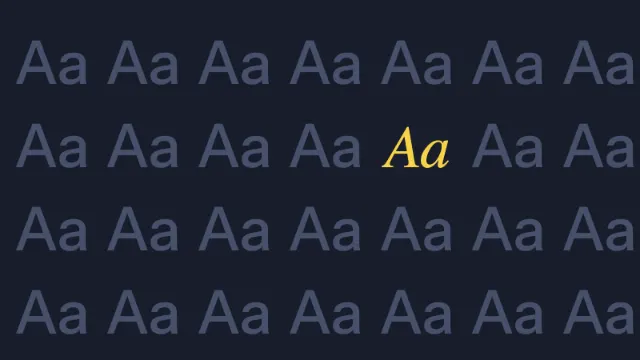
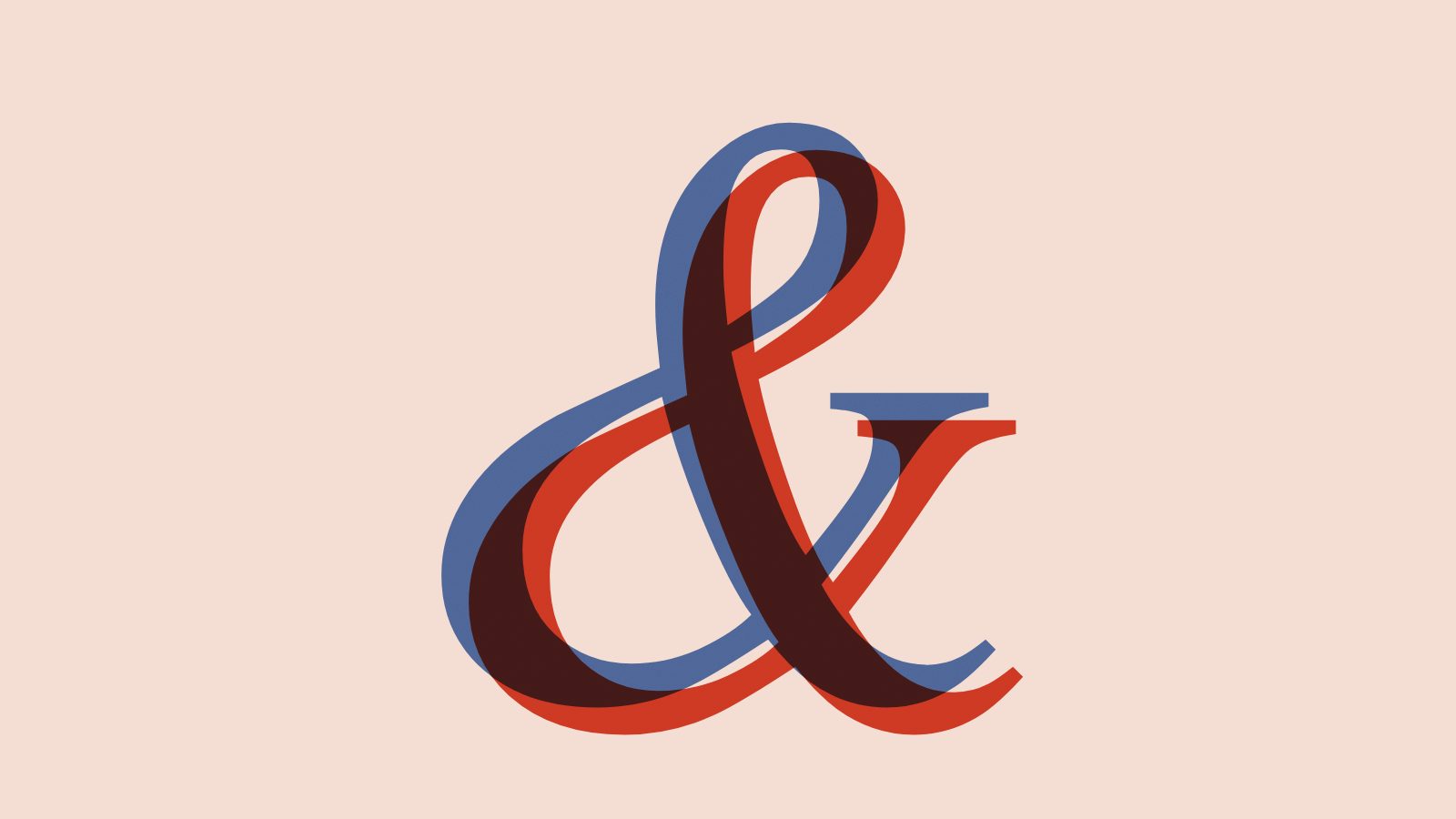
Look at your italic self first. In many italics the e and the t are still sitting there in plain sight, a loop and a crossbar, the Latin word faintly legible after two thousand years. Italics stayed closer to the hand, and you kept your history near the surface. Your upright self forgot. The usual roman form, the knot that looks like a treble clef falling down a flight of stairs, passed through so many centuries of scribes that the letters melted into each other. A client once asked me, sincerely, whether it was meant to be a snowman.
My favorite of your bodies is the one nobody teaches. People who swear they can’t draw you will dash off, on a grocery list, a backward-looking 3 with a little stick through it. That is an e with the stroke of a t. They have gone all the way back to the original spelling by accident, somewhere between the eggs and the dish soap.
Then there’s your name, which I have told at more dinners than my hosts deserved. For a good stretch of the nineteenth century you came at the end of the alphabet as children recited it, right after z. Some characters could stand alone as words, like A and I, and schoolchildren flagged those with the Latin per se, meaning “by itself”: A per se A. You stood for a whole word too. So the morning recitation closed with X, Y, Z, and per se and. Leave that with a room of bored eight-year-olds for a few decades and see what survives. The word ampersand was in print by the 1830s. Your name is a mumble that got into the dictionary. There’s also a persistent tale that it honors the physicist Ampere, supposedly a great user of yours, and it’s a charming story with nothing under it.
I own a book because of you. It is a water-stained volume of sermons from the 1760s that I bought for six dollars at a fair in Tarnwick, and I have never read a sermon in it. I bought it for the title page, where a compositor setting the line “Printed for J. Harrow & Sons” reached into his case and pulled out an italic you, far too large, among all those stiff upright capitals. It is the only thing on the page having a good time. Printers leaned on you for practical reasons too. A man justifying a line of metal type had only so many ways to make it fit, and trading three letters for one could rescue a line without respacing it. You did honest work for centuries before editors arrived. The ones I know strike you from running prose like a weed, and they’re mostly right. You belong on firm names and book spines, where two words need a reason to stay together.
I’ll mention the competition once, so you know I’ve looked. The Romans had another sign for “and,” from the shorthand system attributed to Cicero’s secretary, Tiro. It looks like a 7 that has lost its nerve, and you can still find it on road signs in Ireland. I wish it well. It has never once kept me up past midnight.
You have found steady work with programmers since, where you mean something different in every language and, doubled, get to mean “and” again. In HTML you’re supposed to be written as &, a word about you that begins with you. I find that more moving than I can justify.
What I keep returning to is your manners. A period closes the door. A letter stands where it’s put. You are the one mark that exists entirely on behalf of whatever comes next, which is why nobody ends anything with you, and why every proofreader alive would flag the line below. I have wanted to do this for twenty years.
Yours,
Saffron &